Feeds:
Posts
Comments

Posts Tagged ‘Silence’

On Rotsinn, a website on the history of ideas, political scientist Burkhard Conrad published the first review of my book “Die Politik des Schweigens und die Herrschaft der Debatte im Europa des langen 19. Jahrhunderts“. The full review is available here: https://rotsinn.wordpress.com/2025/12/29/uber-die-politik-des-schweigens-eine-buchbesprechung/

Many thanks to the author for his thoughtful analysis and his constructive criticism!

Read Full Post »

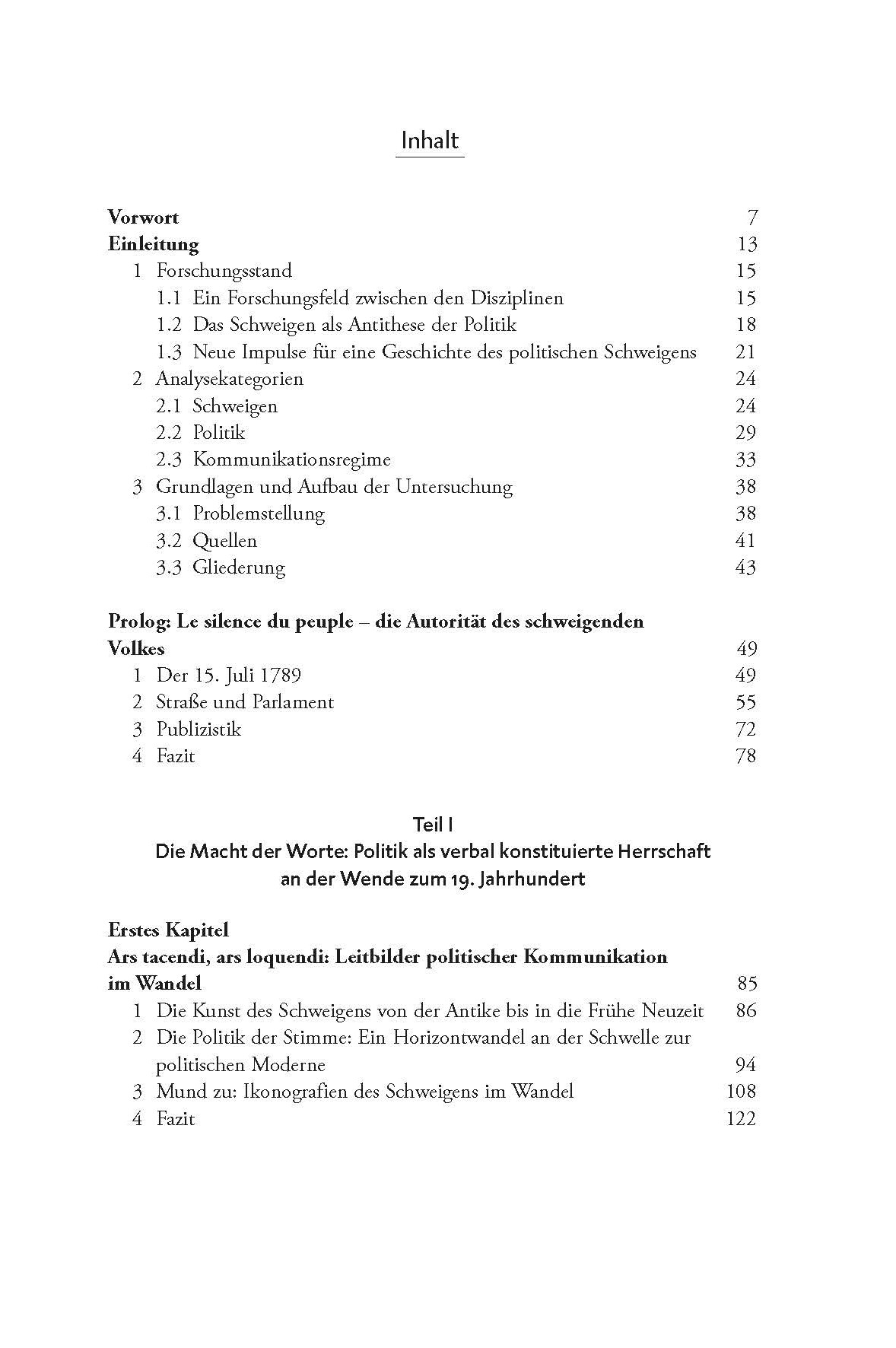
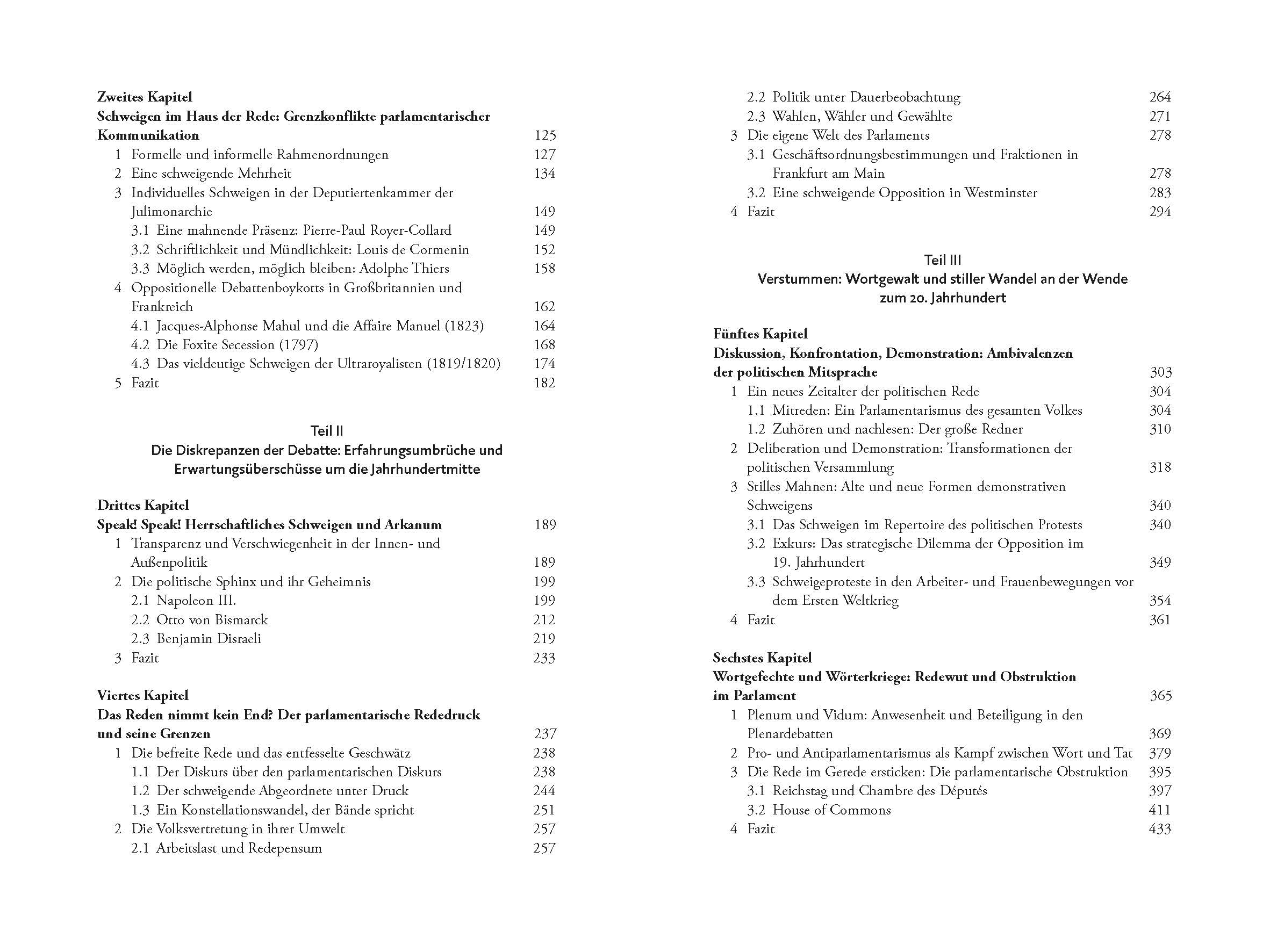
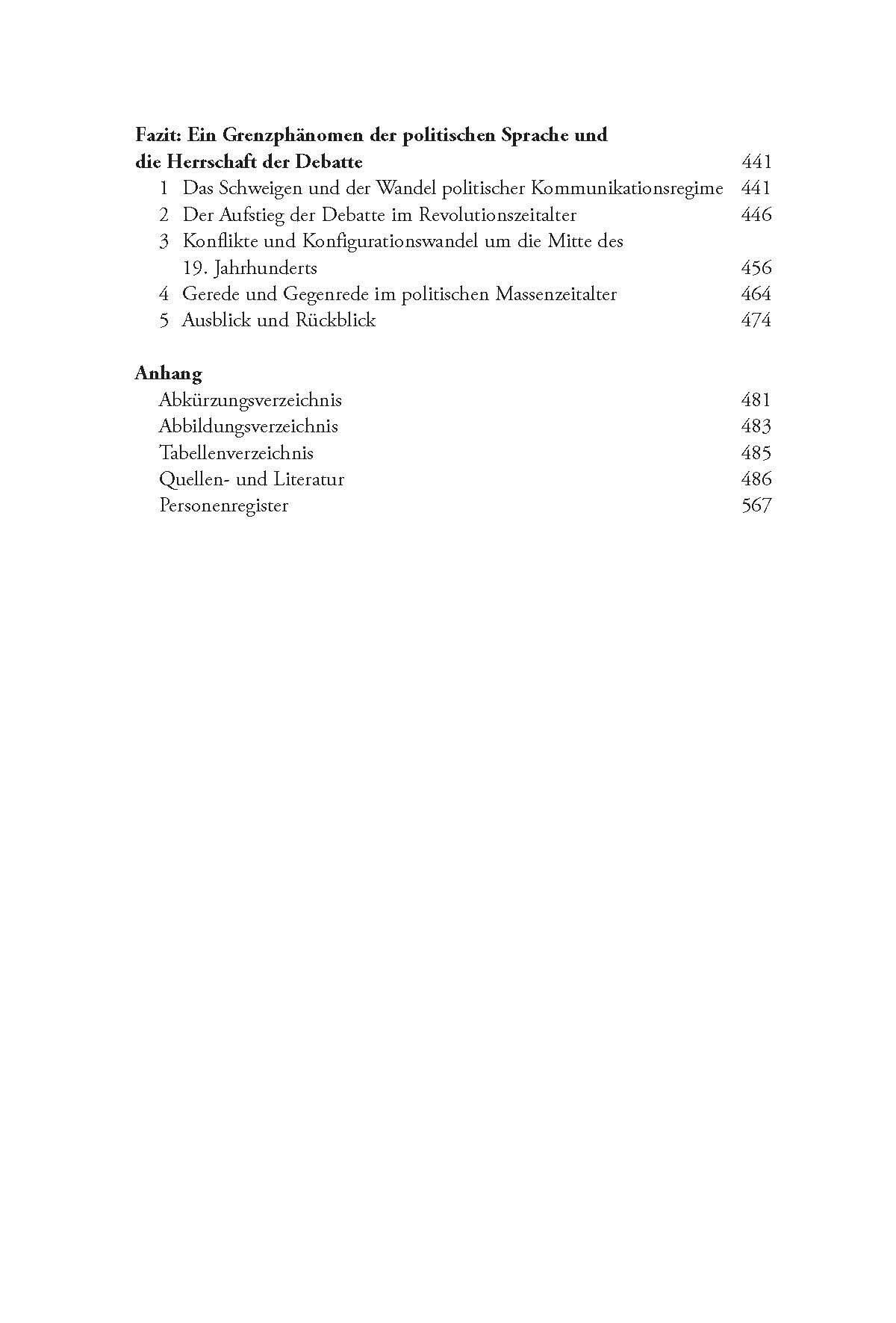
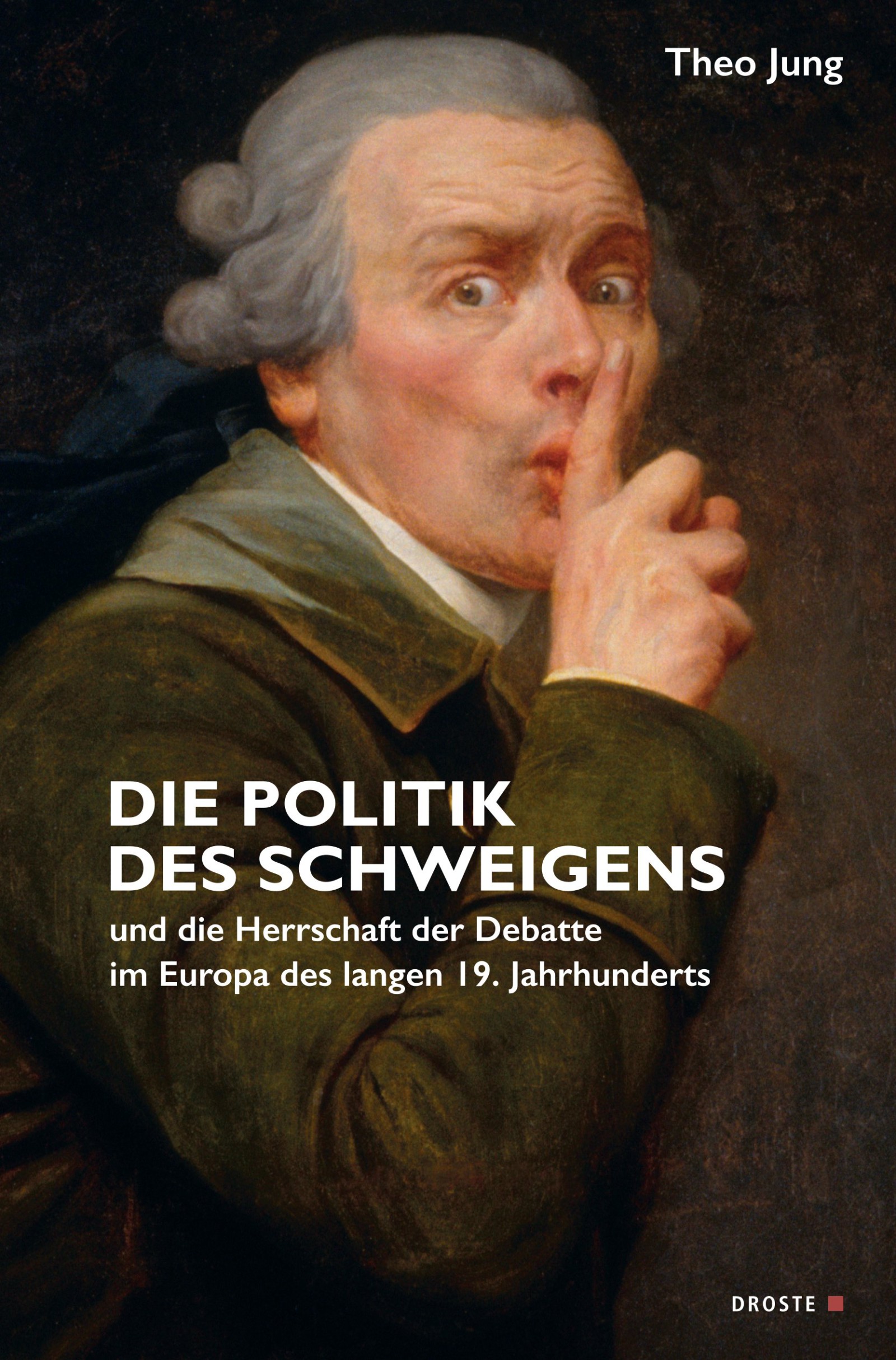
My book on the political role and meanings of silence during the long nineteenth century has now been published by Droste.

A preview of its contents my be found here.

And more information on the website of the KGParl here.

I’m very grateful to the Kommission für Geschichte des Parlamentarismus und der politischen Parteien and the editors of the Beiträge zur Geschichte des Parlamentarismus und der politischen Parteien for including my work in this prestigious series, as well as to Verena Mink for coordinating the publishing process.

Read Full Post »

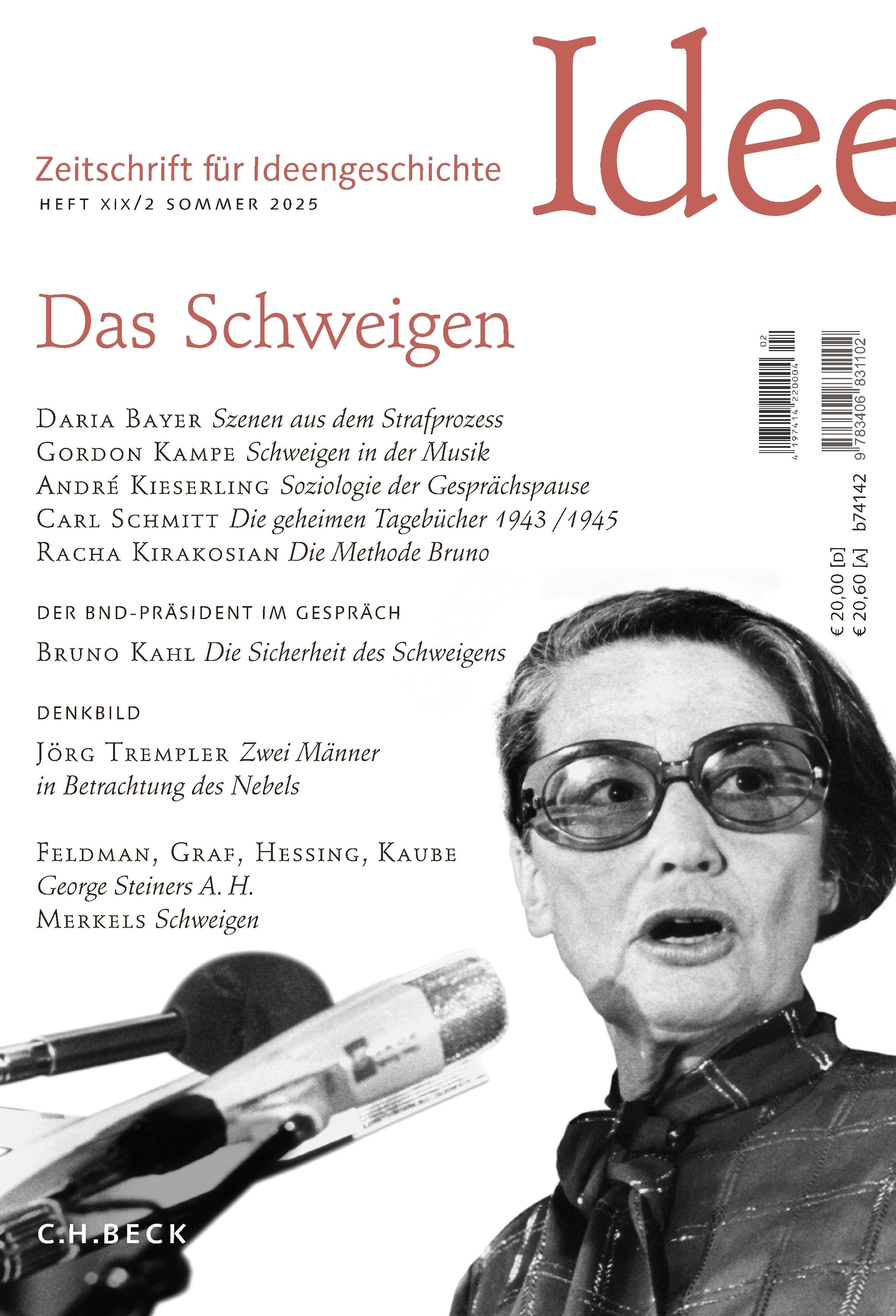
For the upcoming issue on silence to be published on May 15 by the Zeitschrift für Ideengeschichte, I’ve written a short article on the complex tensions between publicity and secrecy in the European secret societies of the late eighteenth and early nineteenth centuries.

Arkanum a. D. Geheimgesellschaften und Öffentlichkeit, in: Zeitschrift für Ideengeschichte 19, Nr. 2 (2025), 50–58. DOI: 10.17104/1863-8937-2025-2-50.

I’m looking forward to reading the other contributions and thank the editors for their thorough assistance with the writing and publication process.

Read Full Post »

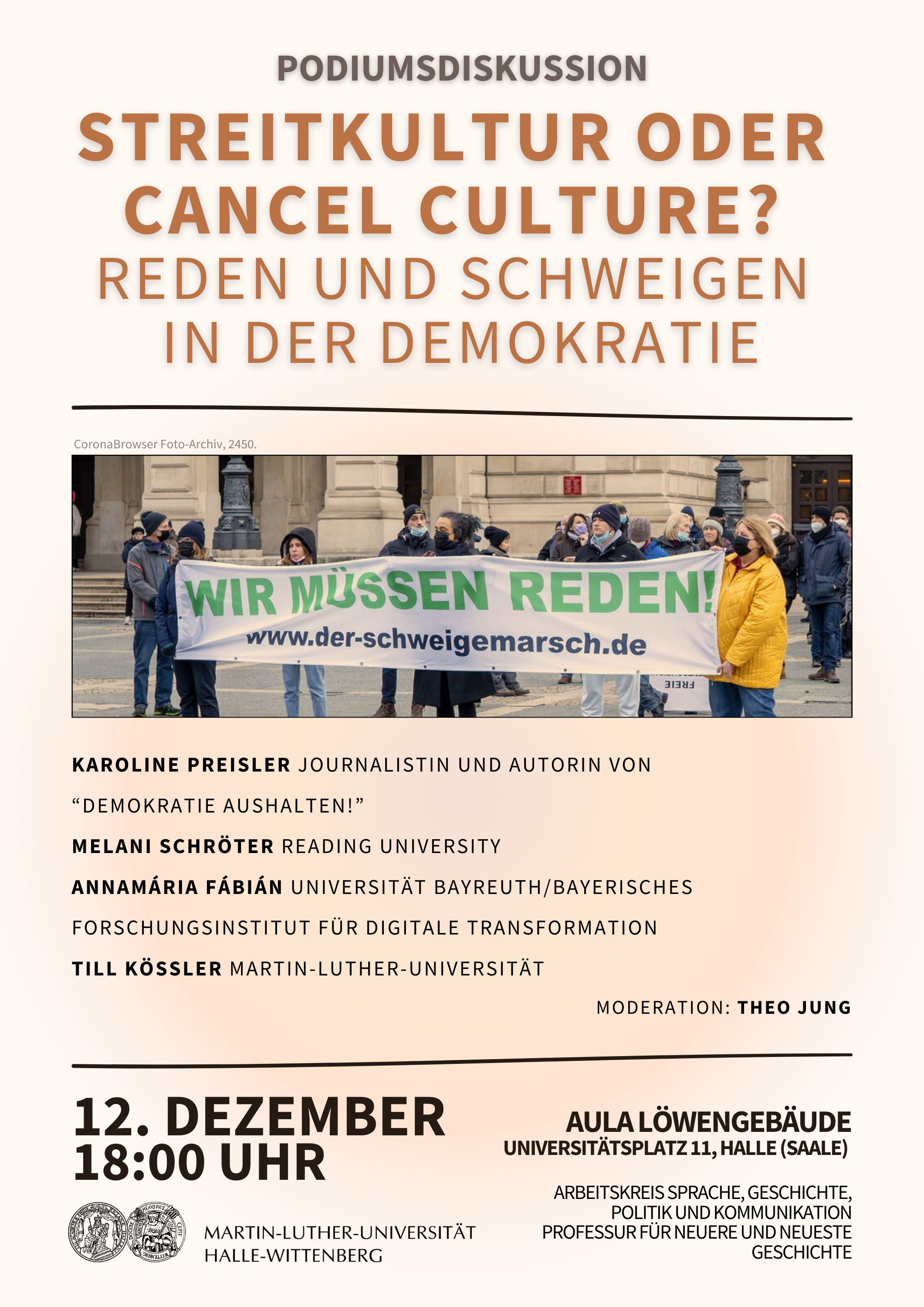
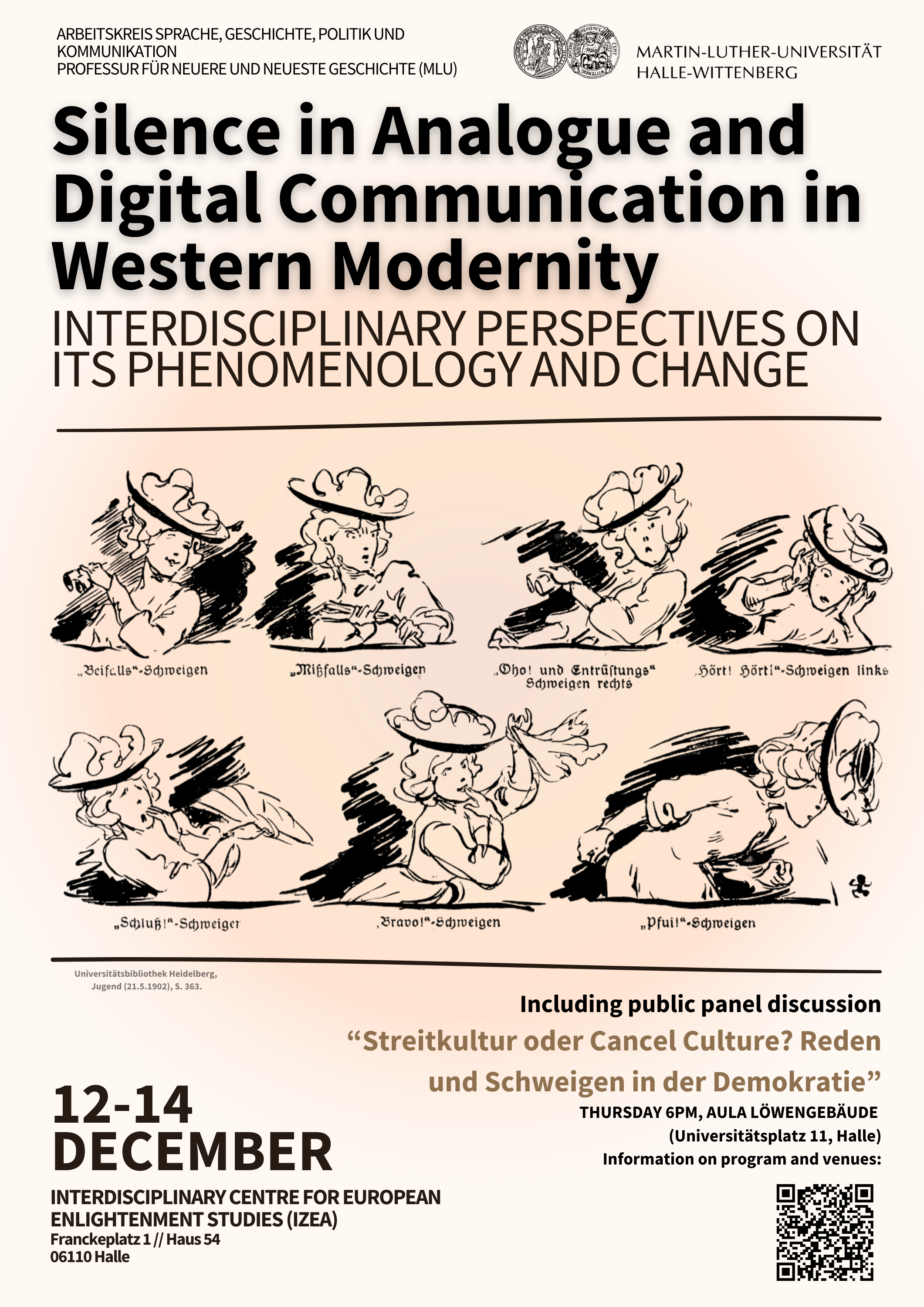
As announced earlier this year, from 12 to 14 December the University of Halle-Wittenberg will host the interdisciplinary conference Silence in Analogue and Digital Communication in Western Modernity. Interdisciplinary Perspectives on Its Variety and Change.

This event is organized by the Arbeitskreis Sprache, Geschichte, Politik und Kommunikation in cooperation with Martin-Luther-University’s Chair of Modern and Contemporary History.

The conference begins with a panel discussion (in German) involving experts from journalism and various academic disciplines, who will tackle the many tensions between speech and silence apparent in current democratic regimes. This event is open to the public and entry is free. It takes place in the university’s main building (Löwengebäude, Universitätsplatz 11).

Many thanks in advance to Karoline Preisler, Melani Schröter, Annamária Fábián, and Till Kössler for their willingness to join in this discussion.

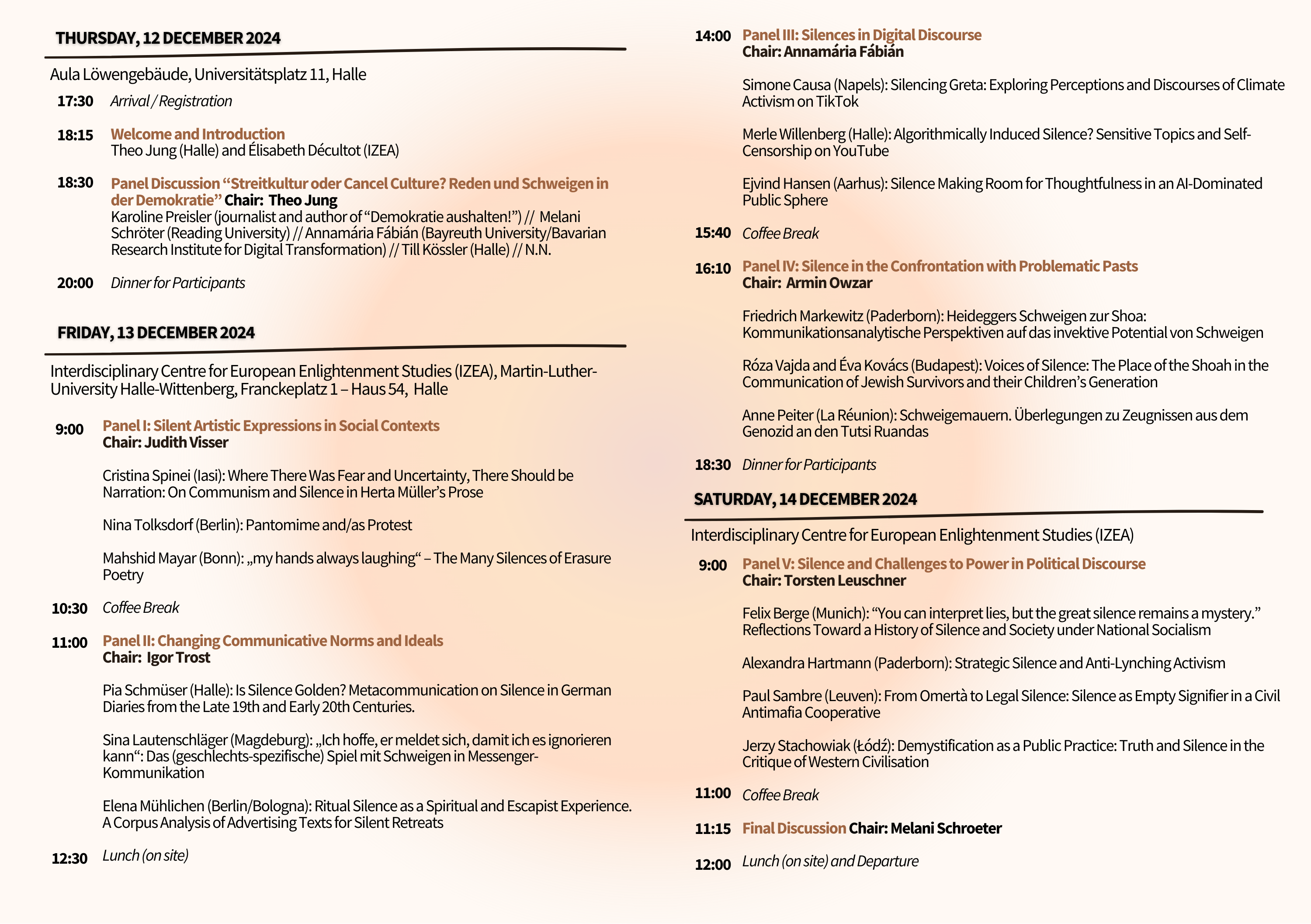
On Friday and Saturday, we continue with a dense program of presentations from the fields of history, literature, media studies, linguistics, memory studies and philosophy. Again, anyone is very welcome to attend one or more of the panels. Please note the different venue for Friday and Saturday: the Interdisciplinary Centre for European Enlightenment Studies, Franckeplatz 1 – Haus 54.

The organizing committee includes: Torsten Leuschner (Ghent), Judith Visser (Bochum), Annamária Fábián (Bayreuth), Armin Owzar (Paris), Melani Schroeter (Reading), Igor Trost (Passau), and myself.

Many thanks in advance to all those participating in the conference, to my co-organizers, as well as to my colleagues at the Chair of Modern History, who have made this possible.

To dowload the program, click here.

Read Full Post »

For a volume on practices of silence edited by Karolin Wetjen, Philipp Müller, Richard Hölzl and Bettina Brockmeyer, I wrote a chapter on the emergence of the silent march as a mode of protest.

Der Schweigemarsch. Entstehung und Funktionsvielfalt einer Protestpraxis in Europa und den Vereinigten Staaten (ca. 1880–1925)

[The Silent March. Emergence and Functions of a Protest Practice in Europe and the United States (c. 1880–1925)]

The chapter shows how the silent march first became established in the protest repertoire at the turn of the twentieth century, when in the context of the emerging political mass market various groups experimented with new modes of public protest. It approaches its topic in three steps. Firstly, it asks to what extent the boom of the silent march around 1900 was linked to earlier events of silent protest or to other practices established during the 19th century. Secondly, taking the French case as an example, I sketch the diversity of the contexts in which this mode of protest was used at the turn of the 20th century. The third, longest section takes a closer look at three protest movements in which the silent march played a particularly prominent role (the labor movement, the women’s movement and the African-American civil rights movement). Finally, I draw some comparative conclusions about the functions of this mode of protest and their historical development.

Read Full Post »

Silence in Analogue and Digital Communication in Western Modernity. Interdisciplinary Perspectives on Its Variety and Change.

Interdisciplinary Conference, Martin Luther University of Halle-Wittenberg

Halle, Germany, 12-14 December 2024

This conference seeks to explore how changes in the conditions, means, and opportunities of communication in the Western world since 1800 have affected the perception and the evaluation of silence and concealment. Silence is understood broadly as the absence of communication where it could have been expected or relevant, and as encompassing forms of concealment. Our object of investigation is therefore not limited to synchronous oral communication, but includes a multitude of written, oral, and multimodal forms of analogue and digital communication in a broad spectrum of historical and societal contexts.

The relevance of silence as a phenomenon of communication and the changes affecting uses, function and evaluation become manifest in Western modernity in at least five ways:

First, silence is part of an evolving communicative landscape in the constitution of modern societies as literacy increases and mass media develop along with different modalities of mediated communication, digitisation and social media. In this context, increasing production of, and exposure to, communication has led both to rising expectations on communication and to disappointment when expected communication fails to occur.

Second, processes of democratisation have increased the demand for information and transparency and for the inclusive and active participation of citizens in political processes and discourse since the long 19th century. As the volume of public discourse grew and expectations of and demands on communication rose, silence came increasingly to be scandalised. Moreover, refusal to engage in communication and discourse can be criticised as forsaking one’s right of political participation. Even modern dictatorships have to acknowledge expectations of participation and develop processes of pseudo-consensual communication. In turn, refusal to engage can be seen as resistance.

Third, for people with diverse ethnic, ability, or gender backgrounds, the availability of forums for expression and resonance becomes crucial, as members of diverse groups work for inclusion and against silence in analogue and digital communication. However, the very same strategies are being used to increase the acceptance of anti-democratic, exclusionary agendas, alleging a left-liberal hegemony and accusing the mainstream media of stifling freedom of expression and restricting access to discourse for some segments of political opinion.

Fourth, together with increased opportunities of and demands on communication, hopes have risen that communication itself can help solve problems and alleviate conflict. Political dialogue and negotiations, conflict mediation and therapeutical talking cures are designed to avoid or overcome problems, while communicative reticence is seen as an obstacle to achieving this.

Fifth, since the second half of the 20th century especially, social and cultural liberalisation has brought the de-tabooisation of traumatic experience, mental health, bodily functions, gender and sexuality, illness and disability. It would be interesting to investigate how such changes are negotiated in debates about what can(not) be said and in attempts to (re)draw borders of possibility and acceptability.

Papers are invited addressing the themes sketched above (or potentially others) while looking into the uses, functions, perceptions, and evaluations of silence in analogue or digital communication with a view to historical change. Questions such as the following could be pursued:

  • What are the functions of silence in different situational, institutional, and media contexts? How do such functions change before the background of various broader processes of social change?
  • Which societal, political or other consequences arise from controversial debates about the meaning and legitimacy of silence?
  • Which cultural values are associated with silence (and with communication as its implicit counterpart) in analogue and digital communication, and with what implications?
  • In which contexts and at what times do expectations of and demands on communication raise and fall? What consequences does this have for the ways in which silence is evaluated?
  • How do opportunities of communication and silence relate to societal diversity and  inclusion and/or marginalization?

Conference languages will be German and English. Papers will last 20 minutes, followed by 10 minutes of discussion. Please submit an anonymised abstract of up to 500 words (excluding references) via email to silenceinhalle@mail.de by 30 June 2024. You will hear back from the organising committee by the end of July 2024. We are planning to publish selected contributions after the conference.

There will be no charge for registration. Support for travel and/or accommodation expenses may be available for early-career researchers without financial backup from an institution. If this applies to you, please contact us at silenceinhalle@mail.de.

Organising committee: Annamária Fábián (Bayreuth, Germany), Theo Jung (Halle, Germany), Torsten Leuschner (Ghent, Belgium), Armin Owzar (Paris, France), Melani Schroeter (Reading, UK), Igor Trost (Passau, Germany), Stefanie Ullmann (Cambridge, UK), Judith Visser (Bochum, Germany).

Read Full Post »
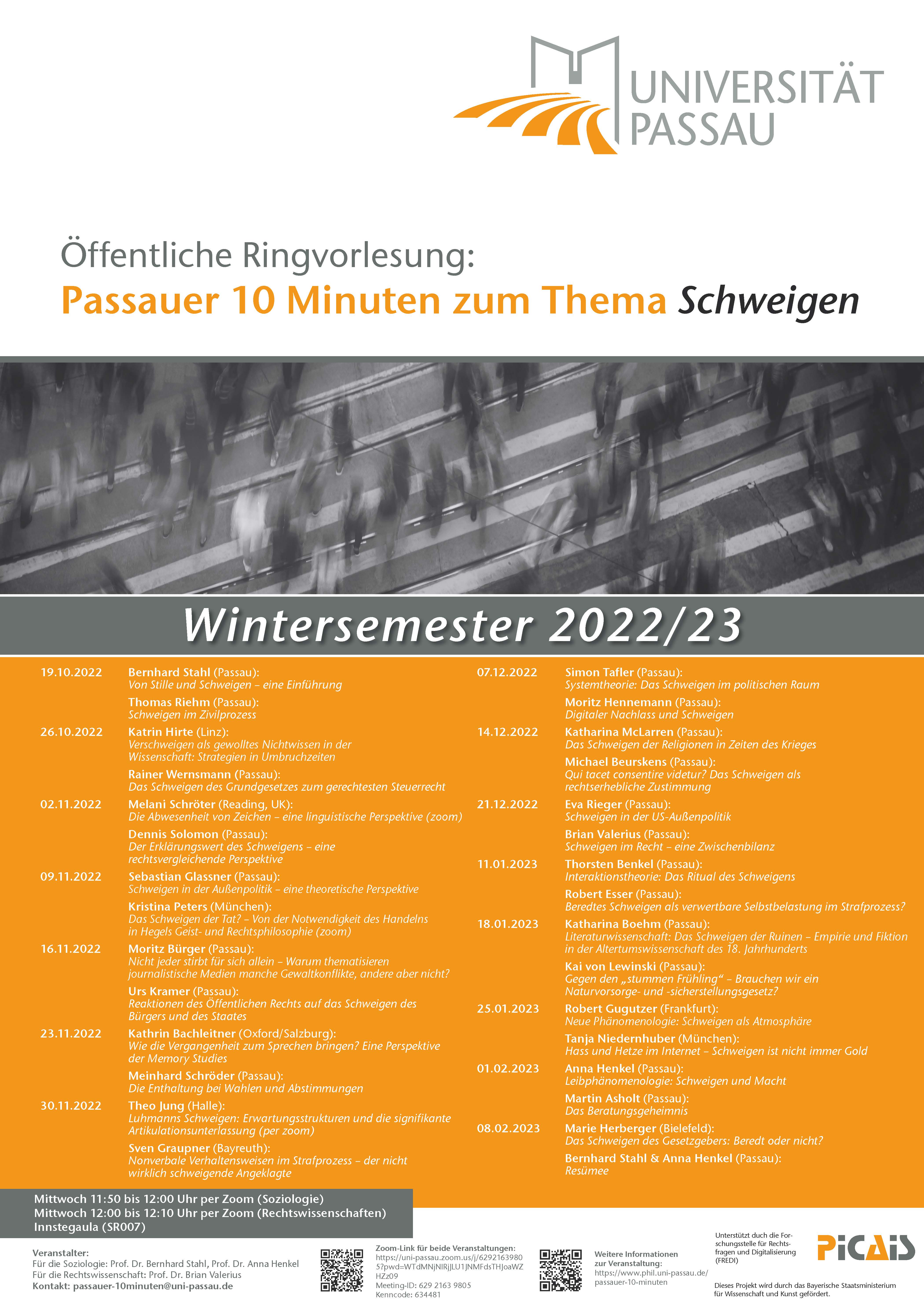
In the coming months, the University of Passau organizes a series of 10-minute lunchtime lectures on silence. Most contributions come from law and sociology, but other disciplines are also represented.

My own contribution on 30 November addresses Niklas Luhmann’s theoretical exploration of silence from the perspective of systems theory and its implications for sociological (and historical) research.

All lectures (in German) can be attended on zoom as well as offline.

[Edit (Feb. 22, 2023): the lectures are now available online on this website.]

Read Full Post »

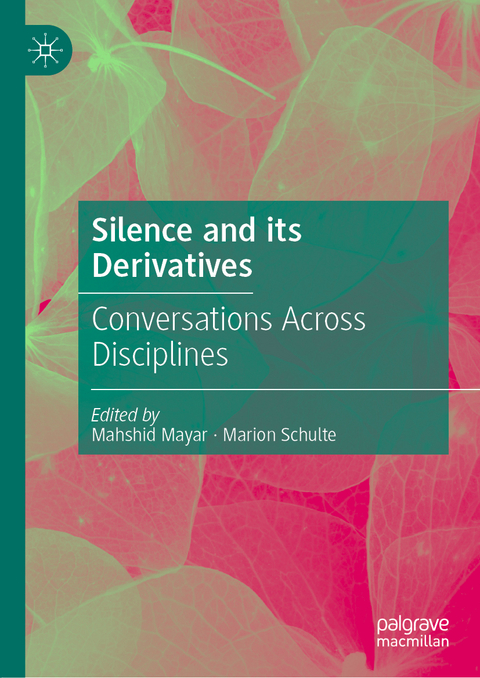
For an interdisciplinary volume on silence edited by Mahshid Mayar (Cologne) and Marion Schulte (Bielefeld), I wrote a chapter on the way Europeans have historically framed the question of ‘talkative’ and ‘taciturn’ nations.

Even today, we often think of authoritarian and dictatorial regimes in terms of ‘silence’, while parliamentary and democratic politics are linked to the category of ‘voice’. Retracing the historical emergence of such conceptualizations during the late eighteenth and early nineteenth centuries, my chapter aims at a reconsideration of these familiar, but reductive binaries.

Exploring French, German, and British discourses on the question why some nations are more talkative than others brings to light a fundamental shift in the understanding of communication around the turn of the nineteenth century, when explanations in terms of national character were gradually superseded by a point of view linking taciturnity and talkativeness to specific political regimes.

This gradual reorientation from a spatio-cultural to a temporal framing coincided with a distinct politicization of the question of communication (and its absence) which still resonates today. Placing our current understanding of the significance of voice and silence into a wider historical perspective thus contributes to a reconsideration of the meanings of communication in the modern world.

  • Talkative and Taciturn Nations. Ethnographic and Political Perspectives in European Discourses on Communicative Cultures (c. 1750–1850), in: Mahshid Mayar und Marion Schulte (eds): Silence and its Derivatives. Conversations Across Disciplines. London 2022, 87–108.

The chapter can be downloaded here. The whole volume is to be found here.

Many thanks to the editors for their meticulous organization of the publishing process.

Read Full Post »

On the initiative of Ejvind Hansen, on April 22nd a first constituent meeting of the newly founded Network of Silence Studies took place online. The group joins researchers from many different disciplines who study the significance of silence. Since I’ve been interested in this topic from a historical perspective for some years, I’m very glad to be a member.

The new website provides a short description of the group and its activities as well as a list of the scholars that have joined. New members are very welcome.

Read Full Post »

A few months ago, I discussed my ongoing book project on the politics of silence in nineteenth century Europe with Philipp Janssen, the host of the wonderful Anno … podcast. The result has just been published and can be downloaded on the website (here) or through any major podcast provider.

We discussed various case studies as well as the project’s general structure.

If you are looking for a (German language) history podcast that adresses a wide range of topics and builds bridges between academic research and a wider audience interested in history, this is the place to start.

To get into it, I can recommend the episodes with my colleagues Sonja Levsen (on postwar education in France and Germany) and Claudia Gatzka (on postwar democratic cultur in Germany and Italy), or perhaps my former Bielefeld colleagues Silke Schwandt (on legal practices in Medieval Britain), Daniel Siemens (on the SA), Axel Hüntelmann (on medical scientist Paul Ehrlich), Levke Harders (on migration in nineteenth century Germany) or Hedwig Richter (on voting cultures in nineteenth century Prussia and the US). In all, there are now over 60 episodes of about one hour each.

Many thanks to Philipp Janssen for his interest in my research and for a very pleasant and lively discussion.

Read Full Post »

Older Posts »