A review I wrote of Henning Trüper’s thoughtful consideration of historicity and historicisation in
Unsterbliche Werte. Über Historizität und Historisierung
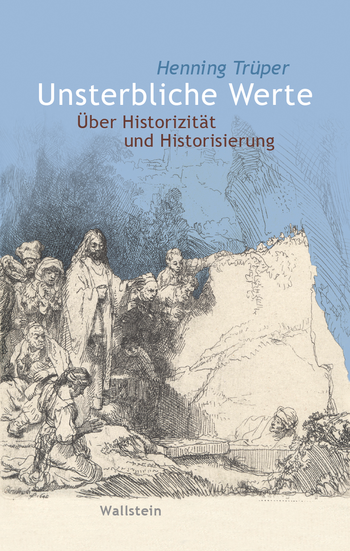
has been published in the newest issue of Weimarer Beiträge.
Posted in Publications, tagged Book Review, History, Theory on January 29, 2026| Leave a Comment »
A review I wrote of Henning Trüper’s thoughtful consideration of historicity and historicisation in
Unsterbliche Werte. Über Historizität und Historisierung
has been published in the newest issue of Weimarer Beiträge.
Posted in Publications, tagged Depoliticization, European History, History, Neoliberalism, Nineteenth Century, Politics, Twentieth Century on January 4, 2026| 1 Comment »
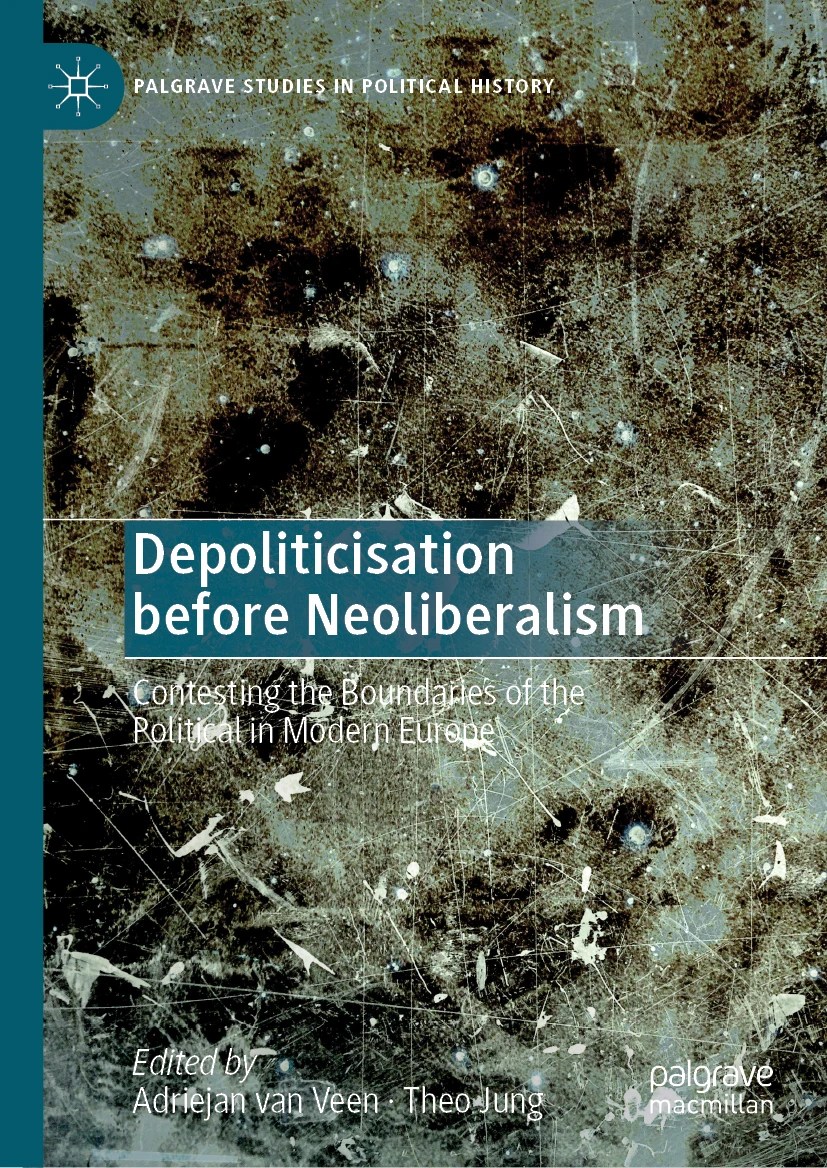
It took a while, but the volume
Depoliticisation before Neoliberalism: Contesting the Boundaries of the Political in Modern Europe
edited by Adriejan van Veen and myself is now published as part of the series Palgrave Studies in Political History.
I want to thank all our contributors for their hard work and patience. Above all, I am grateful to my co-editor Adriejan van Veen (Nijmegen University), who not only obtained the necessary funding for this project, but with his dogged precision and keen intellect made the volume into what it is.
This book analyses processes of depoliticisation in modern Europe from the emergence of a distinct ‘political’ sphere in the late eighteenth century until the present day. Drawing on case studies from across the continent, it demonstrates that depoliticisation has played an integral part in the contestation of modern politics since its inception. Developing a novel conceptual framework, the authors argue that depoliticisation is much more than a simple negation of politics. Rather than an anonymous and amorphous process, depoliticisation often presents an express, actor-driven effort, with modes and forms no less varied than the more familiar manifestations of politicisation. Consequently, the chapters encompass a whole range of depoliticising discursive strategies, performative practices, and institutional rearrangements, playing out across different regime types, from revolutionary orders and representative governments with limited franchises to mass democracies and totalitarian dictatorships. Illustrating how historical actors understood ‘the political’ and in which ways they intervened to renegotiate its boundaries, this book seeks to enhance our understanding of modern politics and pose questions that still resonate today. At a time when the boundaries of the political are once more heavily contested, this book offers thought-provoking insights that will appeal to scholars of history, political science, and sociology, as well as to activists and political practitioners.
Posted in Publications, tagged Book Review, Silence on December 29, 2025| Leave a Comment »
On Rotsinn, a website on the history of ideas, political scientist Burkhard Conrad published the first review of my book “Die Politik des Schweigens und die Herrschaft der Debatte im Europa des langen 19. Jahrhunderts“. The full review is available here: https://rotsinn.wordpress.com/2025/12/29/uber-die-politik-des-schweigens-eine-buchbesprechung/
Many thanks to the author for his thoughtful analysis and his constructive criticism!
Posted in Publications, tagged Anne Reichold, Debate, German Empire, Gregor Gysi, History, Nineteenth Century, Norbert Lammert, Radio on August 22, 2025| Leave a Comment »
In a series on the “power of words”, the German radio show Systemfragen on Deutschlandfunk produced an episode on the question why cultivated discussion so often breaks down. In it, I was interviewed on the culture of political conflict during the German Empire (1871-1918) and its implications for debating cultures in the present.
The other guests were Gregor Gysi (Die Linke), the former president of the German Bundestag Norbert Lammert, and the philosopher Anne Reichold.
The episode was broadcast on August 21, 2025. En extended version can be found online here as well as on all podcast platforms.
Many thanks to the Deutschlandfunk team and especially to Luca Rehse-Knauf, who conducted the interview.
Posted in Publications, tagged Academic Careers, Bielefeld Graduate School in History and Sociology, History on July 25, 2025| Leave a Comment »
The Bielefeld Graduate School in History and Sociology, in which I received my PhD in 2010, recently conducted an interview with Prof. Dorothee Wilm and myself on our experiences on the academic career path.
Parts of the interview and the subsequent discussion with current PhD students at the BGHS have been turned into a blog post titled
Costs and rewards on the path to a professorship
on their website.

Posted in Publications, tagged Acclamations, Debate, France, Germany, Great Britain, Nineteenth Century, Parliament, Political Meetings, Politics, Press, Protest, Silence on July 4, 2025| 1 Comment »
My book on the political role and meanings of silence during the long nineteenth century has now been published by Droste.
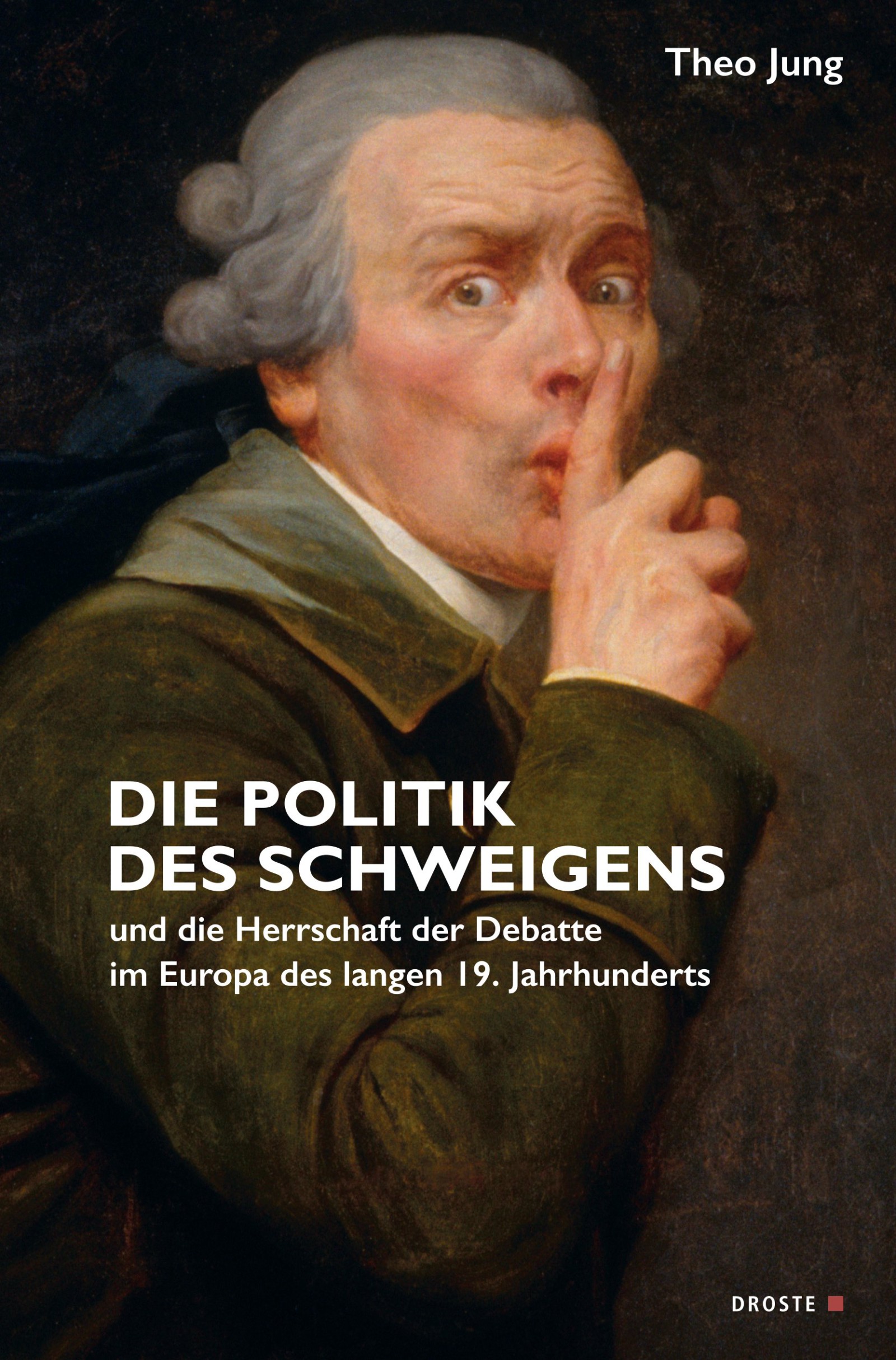
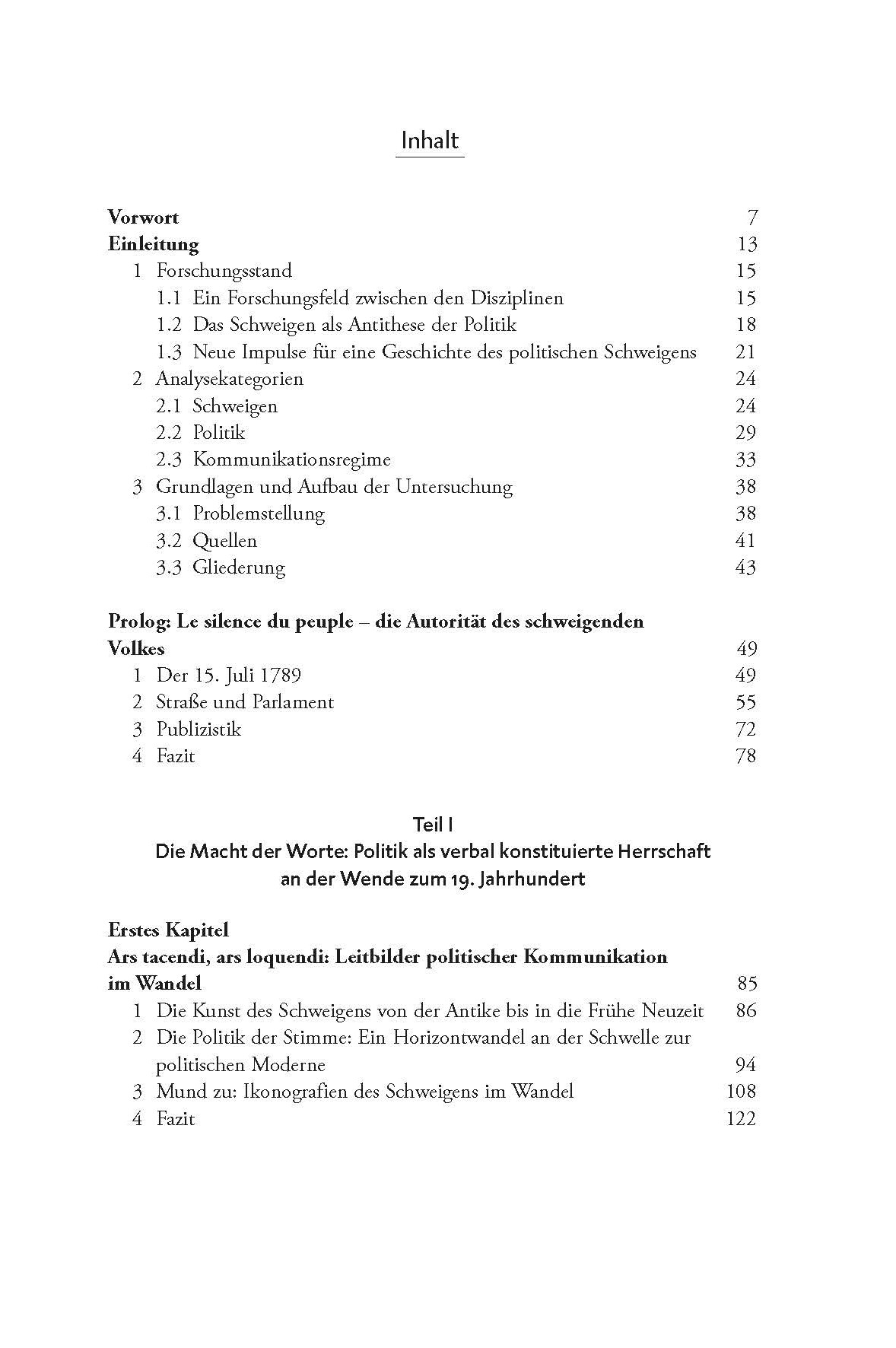
A preview of its contents my be found here.
And more information on the website of the KGParl here.
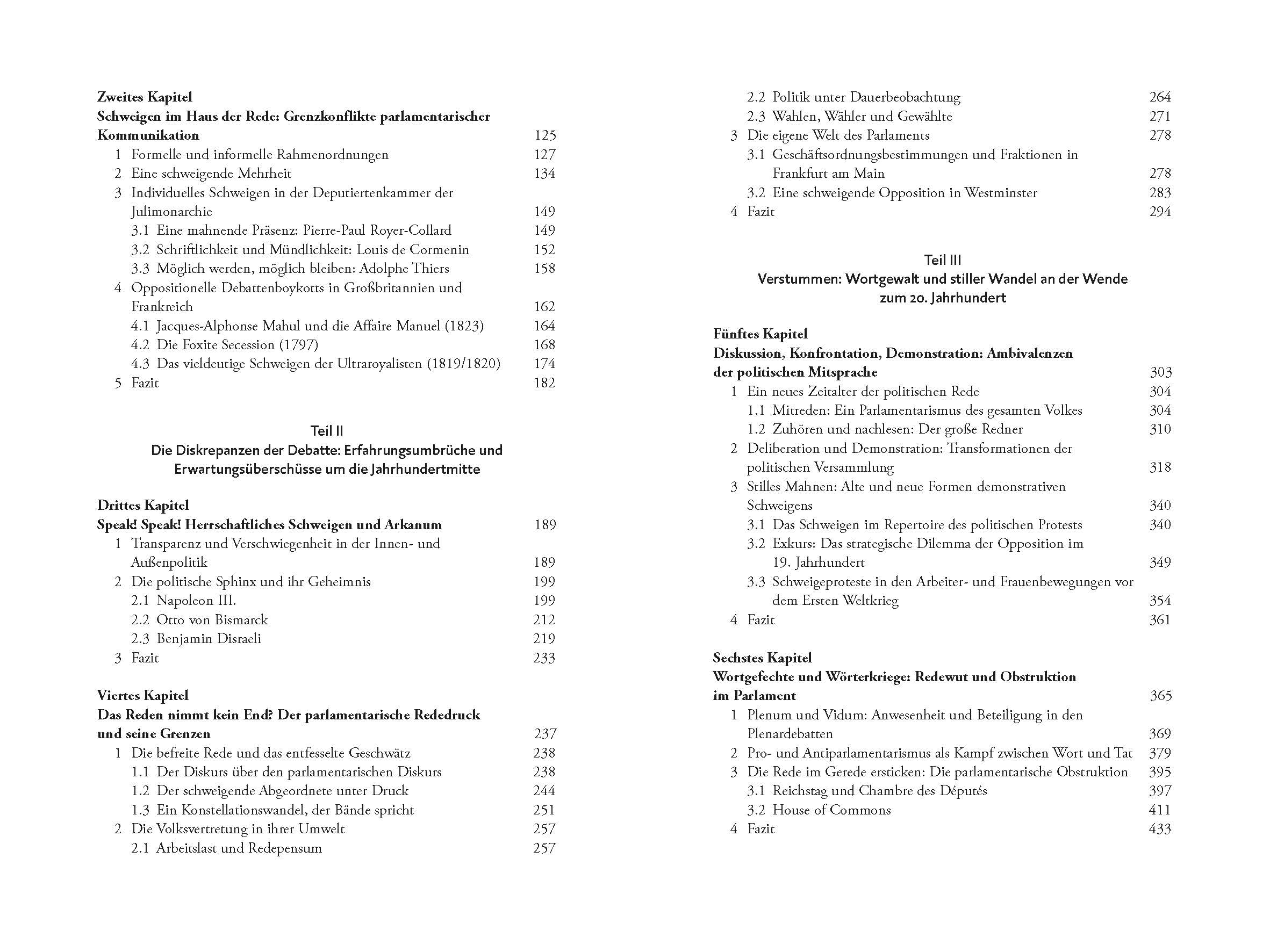
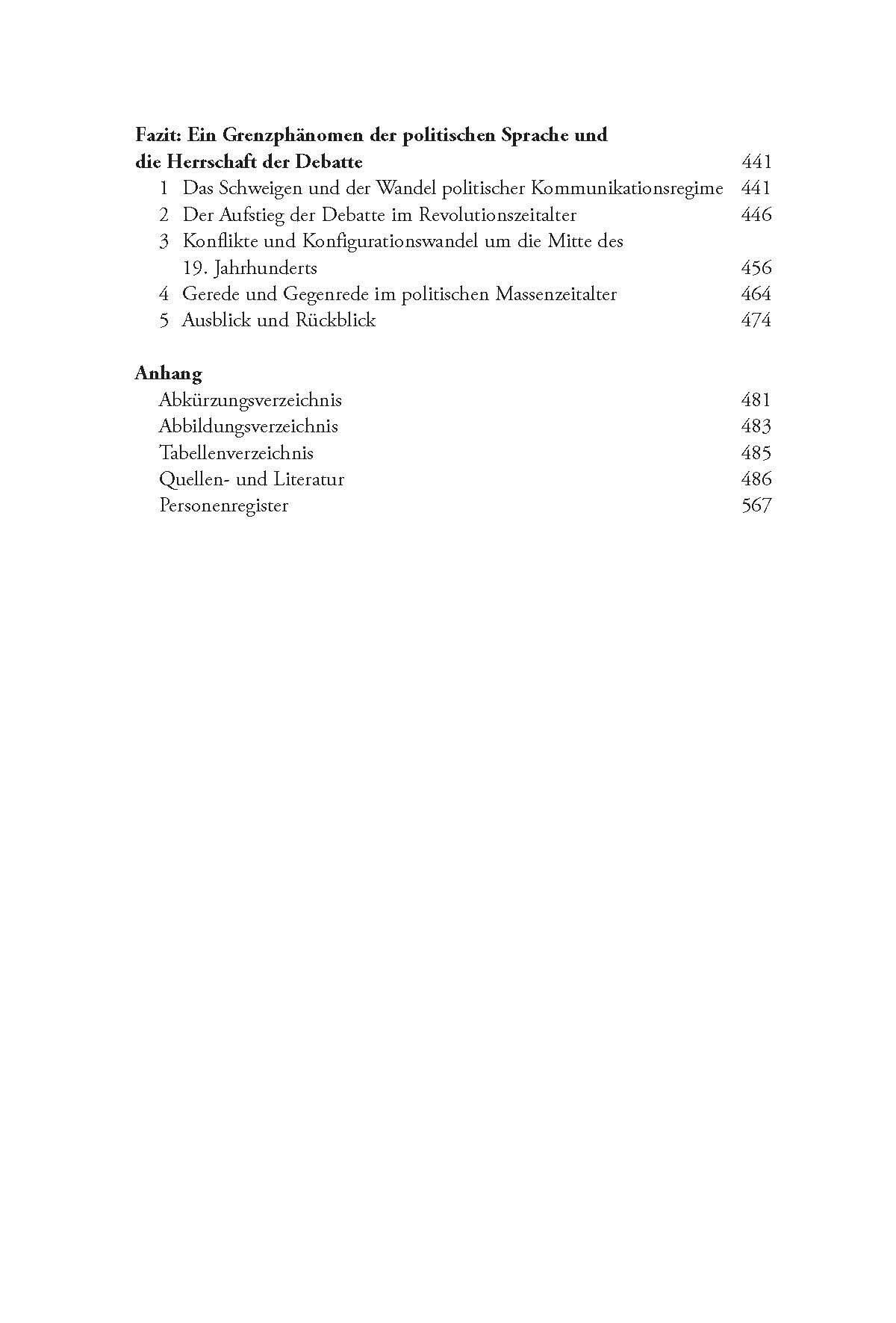
I’m very grateful to the Kommission für Geschichte des Parlamentarismus und der politischen Parteien and the editors of the Beiträge zur Geschichte des Parlamentarismus und der politischen Parteien for including my work in this prestigious series, as well as to Verena Mink for coordinating the publishing process.
Posted in Publications, tagged History, Nineteenth Century, Politics, Secrecy, Silence on May 2, 2025| Leave a Comment »
For the upcoming issue on silence to be published on May 15 by the Zeitschrift für Ideengeschichte, I’ve written a short article on the complex tensions between publicity and secrecy in the European secret societies of the late eighteenth and early nineteenth centuries.
Arkanum a. D. Geheimgesellschaften und Öffentlichkeit, in: Zeitschrift für Ideengeschichte 19, Nr. 2 (2025), 50–58. DOI: 10.17104/1863-8937-2025-2-50.
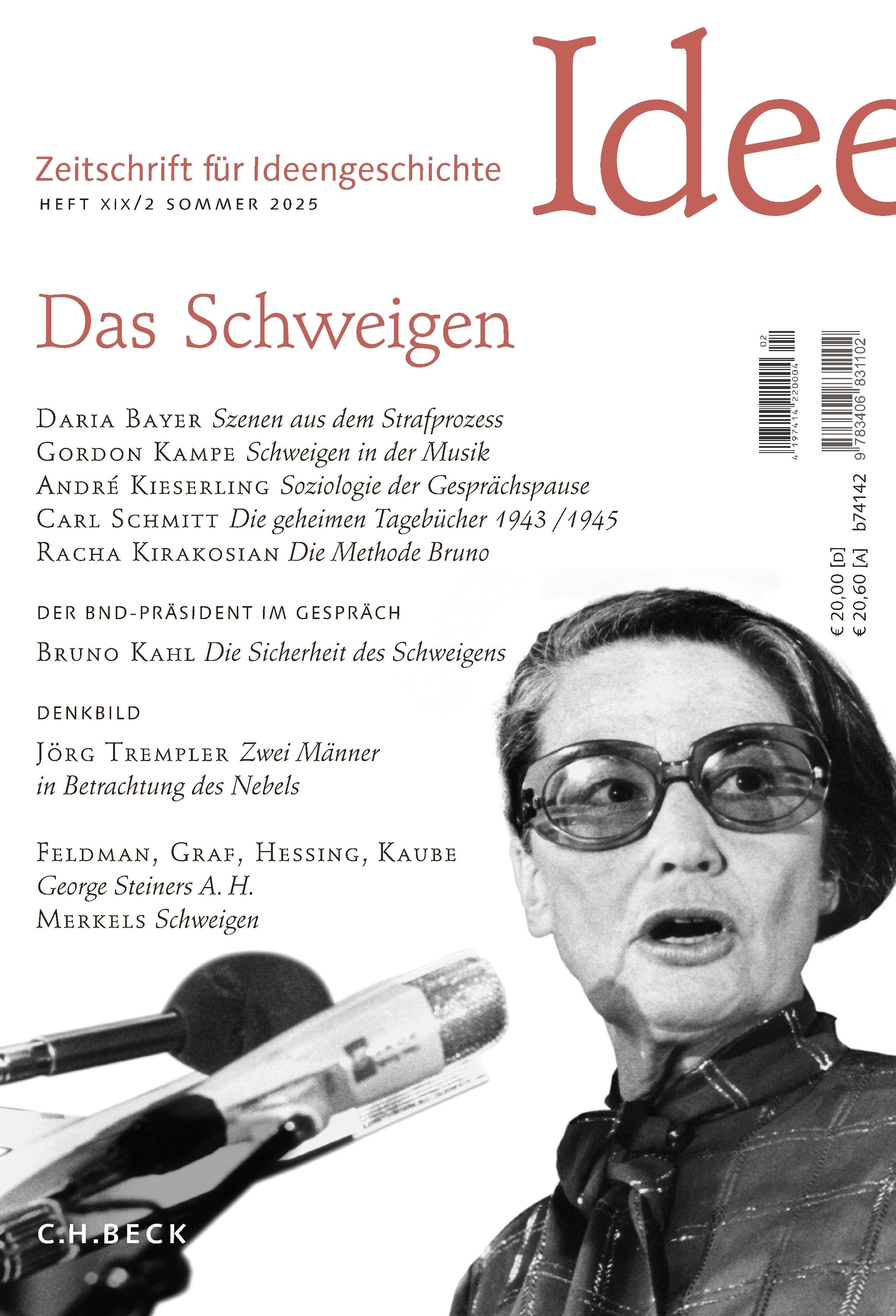

I’m looking forward to reading the other contributions and thank the editors for their thorough assistance with the writing and publication process.
Posted in Publications, tagged Book Review, Heinrich August Winkler, History, Nineteenth Century, Revolution, Twentieth Century on October 29, 2024| Leave a Comment »
For the platform sehepunkte, I wrote a short review of Heinrich August Winkler’s “Die Deutschen und die Revolution. Eine Geschichte von 1848 bis 1989”.
The book takes a fresh look at the highly controversial, but still quite common notion that the Germans are a “people without a revolution”, a view which has been at the centre of debates about the specific nature of German history ever since the controversies over the so-called “Sonderweg thesis”.
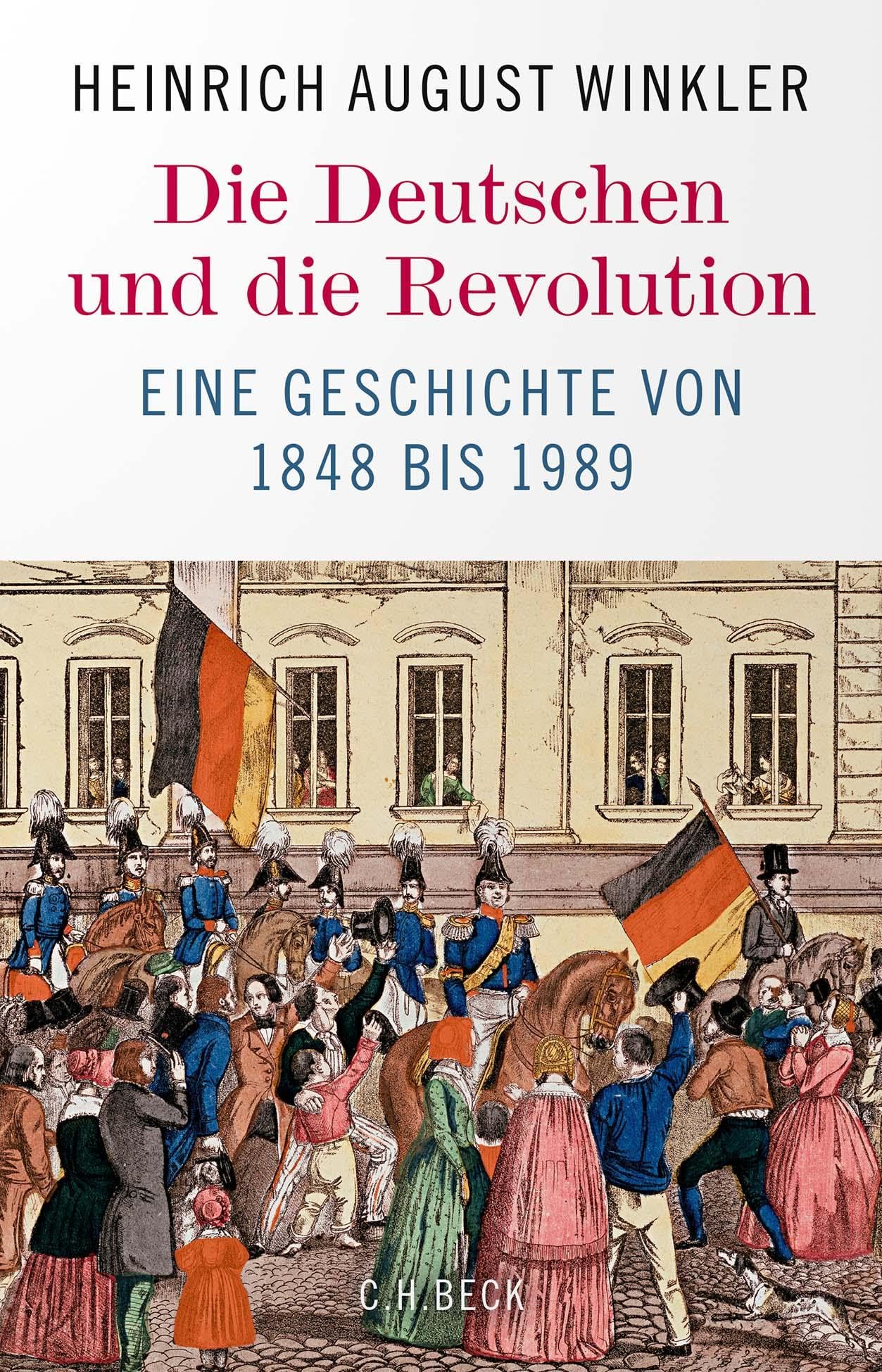
The book comes highly recommended to all who want to delve into this topic under the able guidance of one of the most respected experts on German history there is.
The full review is available here.
Posted in Publications, tagged Depoliticization, History, Nineteenth Century, Politics, Twentieth Century on September 19, 2024| Leave a Comment »
Building on a workshop organized by my colleague Adriejan van Veen and me in 2022, we have been working on an edited volume titled “Depoliticisation before Neoliberalism. Contesting the Boundaries of the Political in Modern Europe”. We were able to bring together a range of scholars from diverse national backgrounds and with different areas of expertise to study the phenomenon of depoliticisation in a long-term and european-wide perspective.
We are very happy that the volume has now been announced as part of the series Palgrave Studies in Political History.

The book’s announcement reads as follows:
This book analyses processes of depoliticisation in modern Europe from the emergence of a distinct ‘political’ sphere in the late eighteenth century until the present day. Drawing on case studies from across the continent, it demonstrates that depoliticisation has played an integral part in the contestation of modern politics since its inception. Developing a novel conceptual framework, the authors argue that depoliticisation is much more than a simple negation of politics. Rather than an anonymous and amorphous process, depoliticisation often presents an express, actor-driven effort, with modes and forms no less varied than the more familiar manifestations of politicisation. Consequently, the chapters encompass a whole range of depoliticising discursive strategies, performative practices, and institutional rearrangements, playing out across different regime types, from revolutionary orders and representative governments with limited franchises to mass democracies and totalitarian dictatorships. Illustrating how historical actors understood ‘the political’ and in which ways they intervened to renegotiate its boundaries, this book seeks to enhance our understanding of modern politics and pose questions that still resonate today. At a time when the boundaries of the political are once more heavily contested, this book offers thought-provoking insights that will appeal to scholars of history, political science, and sociology, as well as to activists and political practitioners.
Behind the scenes, my co-editor and I are still busy working out the last stages of the publishing process and it will probably still take some time until we hold the actual book in our hands, but we are very content that we are now seeing some first ‘signs of life’ and want to express our heartfelt gratitude to our contributors.
Table of contents
Posted in Publications, tagged 1848, Didactics, History, Nineteenth Century, Schools on September 18, 2024| Leave a Comment »
Under the auspices of the Cemetery of the March Fallen in Berlin, I’ve been part of a collaborative effort to develop a didactic manual aimed at schools, focusing on the German Revolution of 1848/49.
The resulting brochure emphasizes the “ambivalences” present in the revolution when viewed through the lens of democratic history. It features introductory texts, historical sources, and didactic concepts tailored for classroom use. Divided into three thematic blocks, it explores the history of nationalism, gender relations, and Jewish emancipation alongside the challenges of antisemitism.
I’d like to extend my heartfelt thanks to all the contributors, with special recognition for the brochure’s editors: Susanne Kitschun, Johann Gerlieb, and Paul Schmitz.

For those interested in more information in German, please see here.
You can also download the brochure for free here.
 Theo Jung