Feeds:
Posts
Comments

Archive for October, 2021

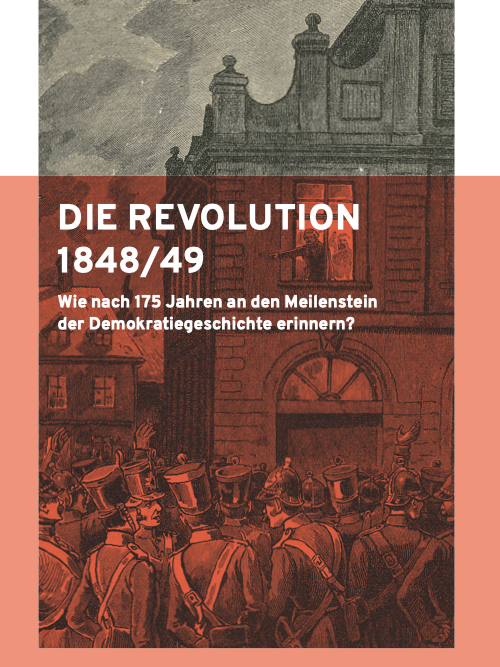
2023/24 will mark the 175-year anniversary of the revolutions of 1848/49. As a first step toward the planning for the commemoration of these events, a workshop in Rastatt brings together participants from many of the major German museums, memorials, and scholarly networks focusing on the history of the revolutions.

  • Gedenkort Friedhof der Märzgefallenen
  • Erinnerungsstätte für die Freiheitsbewegungen in der deutschen Geschichte, Rastatt
  • Gegen Vergessen – Für Demokratie e.V.
  • House of European History
  • Stiftung Bundespräsident Theodor-Heuss-Haus
  • Gedenkstätte Deutscher Widerstand
  • Förderverein Erinnerungsstätte für die Freiheitsbewegungen in der deutschen Geschichte e.V.
  • Historisches Museum Frankfurt
  • Offenburger Salmen
  • Bundesarchiv

Together with my colleague Dr. Heléna Toth (Bamberg University), I’ve been asked to present an overview over recent developments in historiographical research on the topic. Building on my own research, I will sketch some of the ways in which the revolutions of 1848/49 have been linked to the “Age of Revolutions”, placing them in wider transnational, European, and global contexts. In addition, we will discuss the place of the revolutions within the framework of the long-term history of “democracy” and “democratization” in Germany, Europe, and beyond.

The workshop will take place in Rastatt on November 4 and 5 of this year. More information about the program and registration (all are welcome) may be found here.
Read Full Post »

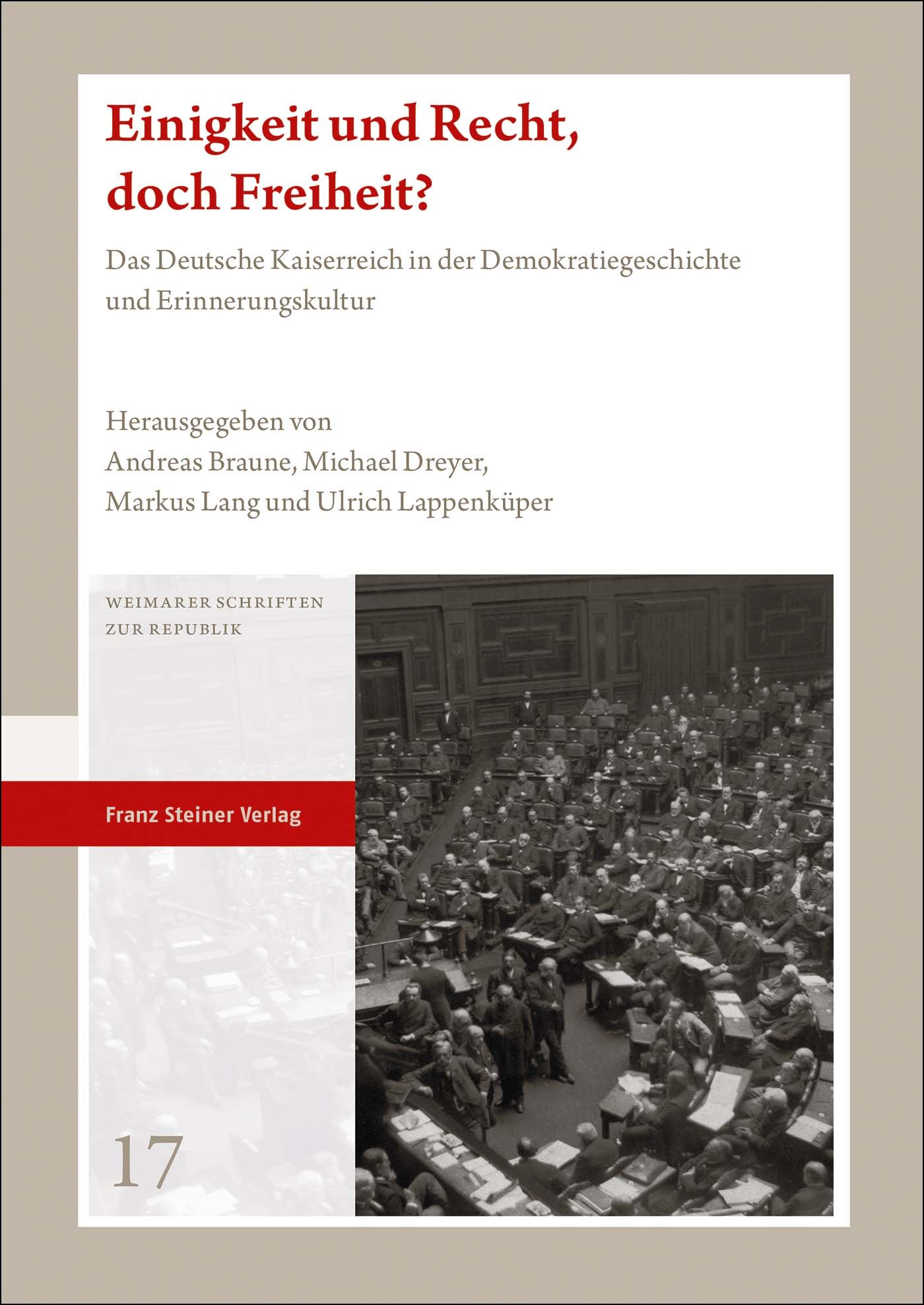
To mark the 150th anniversary of the foundation of the German Empire, the Arbeitsgemeinschaft Orte der Demokratiegeschichte and the Otto-von-Bismarck foundation last year held a workshop on the Empire’s political culture. Its contributions, which were made available in a preliminary version online earlier this year (here), have now been published in extended form in the Weimarer Schriften zur Republik series at Franz Steiner Verlag.

My own contribution, titled

Cultures of Dispute in Imperial Germany

adresses the changing practices and organizational forms of political meetings. It shows how these slowly transformed from an arena of controversial debate to a more monologous form, focused mainly on the demonstration of the strength and energy of different political parties. Sketching the changing dynamics between speakers, audience, and outsiders, I argue that a more detailed analysis of the varying modes of (not just verbal) participation and interaction such venues encompassed can shed new light on the ways the society of the Kaiserreich dealt with political plurality.

Many thanks to the editors.

Read Full Post »

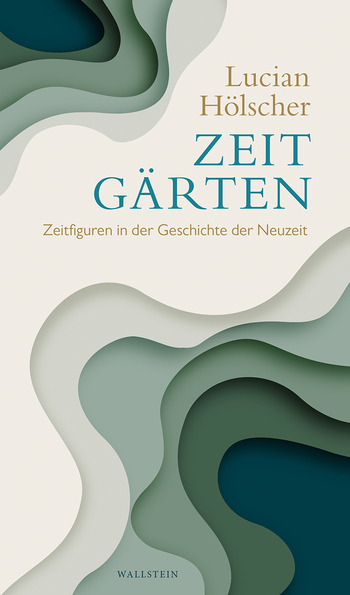
The latest issue of the Zeitschrift für Geschichtswissenschaft includes a review I wrote about Lucian Hölscher’s book

Zeitgärten. Zeitfiguren in der Geschichte der Neuzeit (Göttingen 2020)

Zeitgärten - Lucian Hölscher | Wallstein Verlag

Its broad ranging insights into the theory of history builds on a close re-reading of 25 classics of historical writing from the 18th to the 21st century, from Ranke and Droysen up to Eric Hobsbawm, Mark Mazower, Ulrich Herbert and even my own PhD supervisor, Willibald Steinmetz. The book comes highly recommended to all interested in the theory of historiographical writing and its conteptualizations of historical temporality.

Read Full Post »

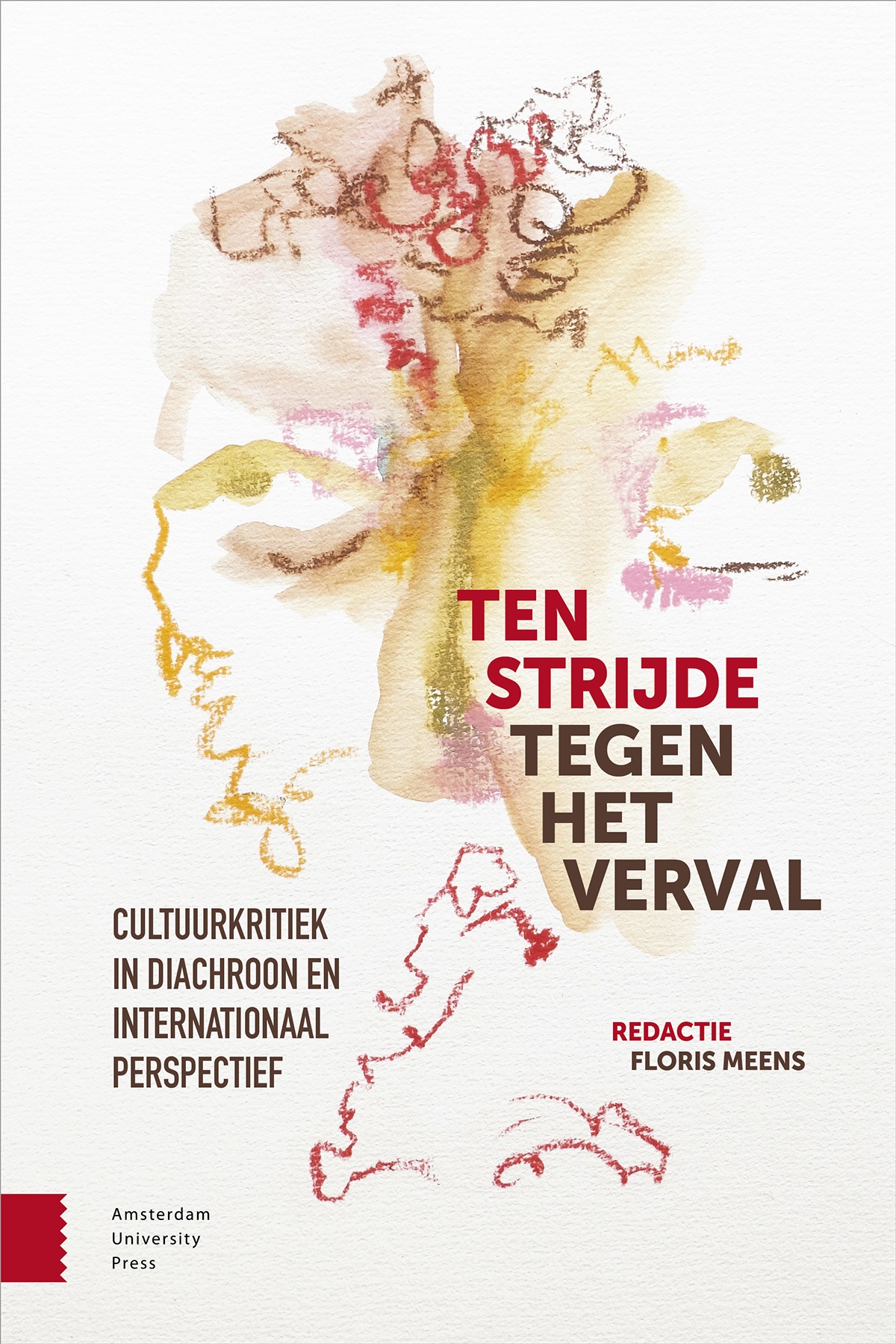
After a long gestation period, I’ve finally published my very first article in my native tongue, Dutch. Many thanks for Floris Meens for his thorough editing. After 15 years abroad, I needed some help getting my grammar back up to par.

My contribution

Een tweestrijd om de tijd? Cultuurkritiek en beschavingsapologie in dialoog

(A Conflict over the Times? Cultural Critique and the Apology of Civilization in Dialogue)

considers the interaction between the discourses of decadence and progress. Building on French debates of the late eighteenth century as a case study, I argue for a new, dialogical understanding of discursive change. Focusing on the question of how positions crystallize and develop in interaction with each other opens new perspectives on polemics as a dynamics of discursive development.

The essay is published in the volume Ten strijde tegen het verval. Cultuurkritiek in diachroon en internationaal perspectief, which is available from Amsterdam University Press.

Read Full Post »

On October 5, between 2:15 and 4 pm, I am participating in a panel titled

Deutungskämpfe um die Gegenwart: Zeitgenossenschaft und Zeitdiagnostik um 1800 in der Kontroverse [Controversies over the Present: Debates about Contemporaneity and Temporal Diagnosis around 1800]

at the German Historikertag. The panel is structured as follows:

  • Sebastian Schütte / Susan Richter: Einleitung
  • Theo Jung (Freiburg): Augenblick und Durchblick: Zeitgeistdiagnosen und ihre Kritik um 1800
  • Susan Richter (Kiel): Von der Seife und dem Besteck des Zeitgenossen. Formen und Analyseinstrumente der Zeitdiagnostik im Deutungskampf
  • Sebastian Schütte (Heidelberg): Von Nachtwandlern und Traumfängern im utopischen Dämmerschein. Geschichtsdeutung und Zeitkritik im (vor)revolutionären Paris
  • Uwe Justus Wenzel (Zürich): Auf der Höhe der Zeit und in ihren Niederungen. Einige Probleme philosophischer Zeitgenossenschaft
  • Helge Jordheim (Oslo): Kommentar

[EDIT: a review of the panel written by Kai Gräf has now been published on H-Soz-u-Kult and can be read here.]

Read Full Post »